


About the Covenant: How Our Advocacy Works
What We Do
Covenant for Forgotten Warriors advocates for Americans — especially veterans and others who have served U.S. interests — who have been abandoned or neglected by government agencies overseas. When embassies refuse assistance, when agencies pass responsibility back and forth, and when veterans are stranded abroad with nowhere to turn, we step in.
We don’t run direct rescue operations or emergency evacuations. Instead, we build systematic pressure through legal documentation, congressional advocacy, and public awareness campaigns that push agencies to do their jobs. Our work focuses on making government failures visible and holding officials accountable for how they treat Americans overseas. For details on who we can assist, see our service criteria and priority tiers on the Services & Scope page.
At CFW, “warriors” aren’t just soldiers—they’re anyone who did the right thing in service to U.S. interests and paid for it, then got left behind.
Our Approach
We combine three core tactics to create sustained accountability pressure:
- Legal Documentation: Systematic FOIA and public‑records requests that document agency and embassy failures using their own records.
- Congressional Pressure: Building relationships with oversight offices and providing evidence that supports hearings, inquiries, and other accountability efforts.
- Public Transparency: Publishing agency failures and case timelines to create political and reputational costs for abandonment.
Each element reinforces the others, creating pressure that is harder for agencies to ignore or deflect through normal bureaucracy.
How the Covenant for Forgotten Warriors Got Started
CFW began with one veteran and one advocate who refused to accept government abandonment. Army veteran State Department, VA, and DoD. Each agency points to another’s jurisdiction while people remain stranded in dangerous or unstable situations. CFW was created to confront that pattern with organized advocacy that documents failures, builds congressional pressure, and refuses to let agencies quietly walk away.
From Individual Advocacy to Systematic Response
What started as efforts to help one abandoned veteran evolved into recognition that these failures are not isolated mistakes, but symptoms of a systemic problem. When agencies dismiss cases as “scams,” “misunderstandings,” or someone else’s responsibility—and when even basic facts go unchecked—individual appeals almost always fail. Organized advocacy that documents patterns, builds evidence, and sustains pressure over time becomes the only realistic path to accountability and change.
Who Leads the Covenant for Forgotten Warriors
Because no American who served should be forgotten. Ever.
David Burger serves as Director and Sentinel of the Forgotten, leading CFW with a focus on evidence, discipline, and accountability rather than emotion or empty rhetoric. His leadership emphasizes systematic documentation over emotional appeals, strategic pressure over scattered complaints, and realistic assessment over inflated promises.
From what he calls the Desk of Controlled Chaos, David coordinates FOIA and public‑records campaigns, builds relationships with congressional and oversight offices, works with journalists, and maintains the case files and documentation that make accountability possible. He manages most advocacy activities directly, partnering with volunteers, pro bono professionals, and strategic allies instead of building a large bureaucratic structure.
This lean approach keeps overhead low and advocacy focused. Resources go toward FOIA fees, legal consultations, and sustained pressure campaigns—not administrative padding. For more detail on leadership and organizational structure, see our Office of the Director page.
How CFW Operates on Each Case
CFW operates through coordinated advocacy campaigns that combine multiple pressure tactics around a specific warrior—whether a veteran, whistleblower, contractor, journalist, or anyone who served U.S. interests and paid a price for doing the right thing. Here’s what that looks like in practice.
Documentation Phase
We We start by building comprehensive evidence of agency failures through systematic FOIA and public‑records requests across all relevant agencies. This creates an undeniable record using agencies’ own documents, emails, and internal notes. The documentation follows rigorous standards outlined in our Evidence Documentation framework.
Pressure Building
With documentation in hand, we approach congressional oversight and member offices with evidence packages that show specific, documented failures—not just complaints. We work with journalists on investigative stories that make those failures public and publish transparency reports that create political and reputational costs for continued abandonment.
Sustained Advocacy
Agency accountability requires sustained pressure over months or years, not one‑time appeals or viral moments. We maintain consistent contact with congressional offices, follow up on FOIA requests, track agency responses, and document every continued failure or delay. This persistence gradually strips away excuses and forces action.
Why This Method Forces Action
Agencies respond more reliably to sustained, documented pressure than to emotional appeals or isolated media hits. When we can show patterns of failure through their own records, direct congressional staff to specific violations, and make those failures public, deflection becomes far harder. Combined pressure from legal documentation, congressional oversight, and public awareness creates accountability that no single tactic can achieve on its own.
What We’re Not
Being clear about limitations matters as much as explaining capabilities. CFW is not a rescue organization, emergency response team, or direct service provider. We don’t conduct extractions, run evacuation missions, or move people out of dangerous situations, and we don’t provide emergency financial assistance or on‑the‑ground security support.
We’re also not a law firm and we don’t practice law, though we work closely with legal experts on FOIA, administrative law, and related issues. We can’t provide legal representation or individualized legal advice. When a case requires actual representation in court or formal legal proceedings, we help connect people with appropriate legal resources where possible.
What we do well is systematic advocacy—building documentation, creating pressure, and forcing accountability through legal, congressional, and public channels. That’s where we focus our effort, budget, and time, as outlined in more detail on our Services & Scope page.
The CFW Emblem: No One Forgotten. Ever.
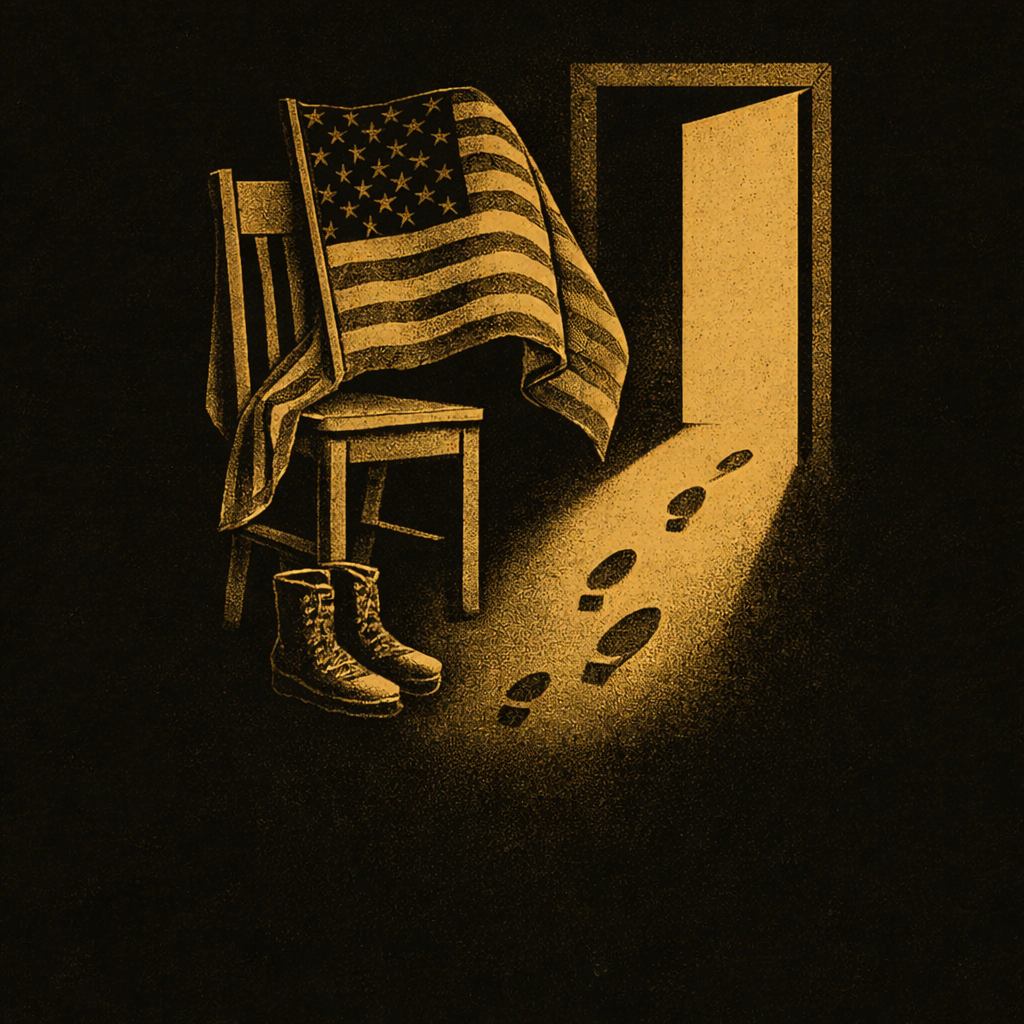
Our emblem is more than an image—it’s a story. Military boots stand faithful to the empty chair—where heroes were abandoned.
The American flag draped in hope. Civilian footsteps journey through the open doorway
—the path home.
We make sure that doorway is never closed.
Join This Mission
Advocacy like this doesn’t run on hope alone. It takes sustained backing. When you contribute financially, amplify our message, share expertise, or engage in direct advocacy, you help force accountability and end abandonment for the Americans we serve.
Learn more about our